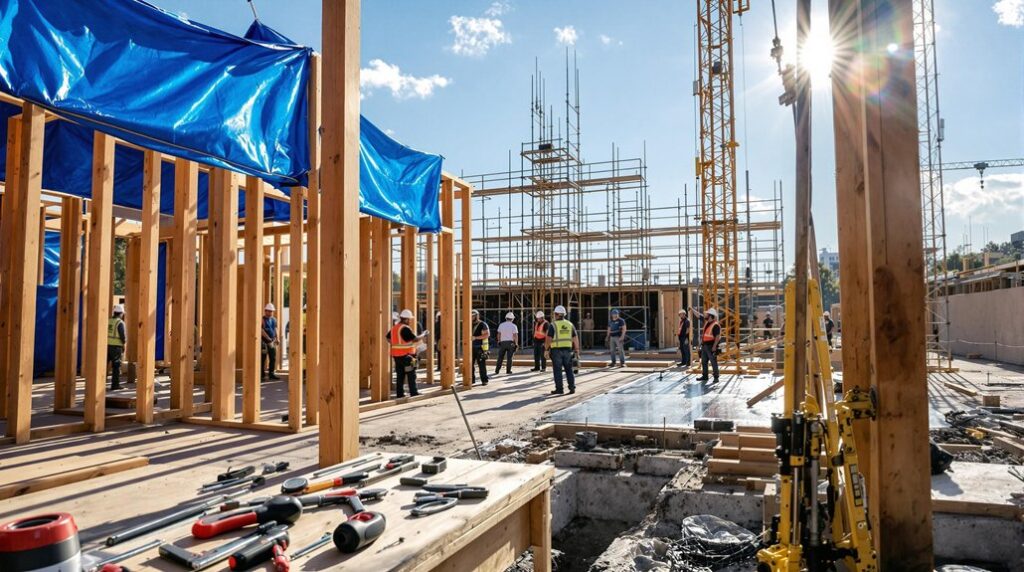
When you hire local general contractor services, you're gaining expertise in managing construction projects effectively. These professionals have in-depth knowledge of local building codes, established relationships with subcontractors, and a strong understanding of community needs. They coordinate schedules and budgets while guaranteeing quality control and compliance with regulations. With their help, you can navigate permits and inspections more efficiently. By continuing, you'll uncover how to choose the right contractor and secure a successful project outcome.
Understanding the Role of a General Contractor
When you're considering a construction project, understanding the role of a general contractor is crucial, as they serve as the central figure who coordinates all aspects of the build. You'll find that a general contractor manages subcontractors, schedules, and budgets while ensuring compliance with local regulations. They act as the primary point of contact for clients, translating design plans into actionable tasks. By overseeing materials procurement and maintaining quality control, they help streamline the construction process. Additionally, they address any issues that arise during the project, ensuring timely resolutions. Ultimately, the general contractor's expertise and leadership are imperative for keeping the project on track, within budget, and aligned with your vision, resulting in a successful construction experience.
Benefits of Hiring Local General Contractors
Hiring local general contractors offers a range of advantages that can greatly impact the success of your construction project. First, they possess in-depth knowledge of local building codes and regulations, ensuring compliance and reducing the risk of costly delays. Additionally, local contractors often have established relationships with suppliers and subcontractors, which can lead to better pricing and faster project timelines. Their familiarity with the area means they understand the community's needs and preferences, allowing for tailored solutions. Communication is typically more efficient, as local contractors can be on-site easily and frequently address any concerns. Finally, supporting local businesses contributes to the community's economy, fostering growth and stability. Overall, choosing local general contractors enhances project efficiency and quality.
How to Choose the Right Local General Contractor
Choosing the right local general contractor can greatly influence the outcome of your construction project, so it is essential to approach this decision with careful consideration. Start by evaluating their experience and portfolio; a contractor's past work can reveal their quality and style. Check for valid licenses and insurance, as this protects you from potential liabilities. Obtain multiple quotes to understand the market rates and gauge their professionalism. Communication is key; verify the contractor is responsive and understands your vision. Additionally, ask for references from previous clients, which can provide insights into their reliability and work ethic. Finally, trust your instincts; choose someone you feel comfortable with, as this relationship will impact the entire project.
The Importance of Local Knowledge and Expertise
Local knowledge and expertise are essential factors that can substantially influence the success of your construction project. When you work with a local general contractor, they bring an understanding of regional regulations, weather conditions, and community preferences that can help streamline your project. This local insight allows them to make informed decisions, ultimately saving you time and money.
| Aspect | Importance |
|---|---|
| Local Regulations | Guarantees compliance and avoids fines |
| Weather Conditions | Helps in planning construction schedules |
| Community Preferences | Aligns project with local tastes and needs |
| Supplier Relationships | Facilitates better material sourcing |
Services Offered by Local General Contractors
A general contractor's role extends beyond mere project oversight; they offer a wide array of services tailored to meet the specific needs of your construction endeavor. By engaging a local general contractor, you can benefit from their expertise in various areas, guaranteeing your project runs smoothly and efficiently. Here are four key services they typically provide:
- Project Management: Coordinating timelines, resources, and teams to guarantee project completion.
- Subcontractor Management: Hiring and overseeing specialized subcontractors for specific tasks.
- Permitting and Inspections: maneuvering local regulations and securing necessary permits.
- Quality Assurance: Guaranteeing that all work meets industry standards and your specifications.
With these services, local general contractors can markedly contribute to the success of your construction projects.
Budgeting for Your Home Improvement Project
Understanding the budgeting process for your home improvement project is essential for its overall success. Start by determining your project's scope and objectives, which will help you estimate costs accurately. Break down expenses into categories such as materials, labor, permits, and unexpected contingencies. It's wise to set aside at least 10-20% of your total budget for unforeseen issues that often arise during renovations. Research prices from local suppliers and contractors to get a realistic view of your financial requirements. Additionally, consider financing options if your budget falls short; this could include personal loans or home equity lines of credit. By being thorough in your budgeting approach, you'll minimize stress and increase the likelihood of completing your project on time and within budget.
Navigating Permits and Regulations With a Local Contractor
When planning a home improvement project, securing the necessary permits and adhering to local regulations can greatly influence your project's timeline and budget. Working with a local contractor simplifies this process, as they're familiar with the specific requirements in your area. Here are four key aspects to contemplate:
- Research Local Laws: Understand zoning laws and building codes that may affect your project.
- Permit Applications: Your contractor will help you navigate the application process, guaranteeing all documentation is correctly submitted.
- Inspections: Schedule required inspections at various project phases to guarantee compliance.
- Stay Updated: Regulations can change; your contractor can keep you informed about any new requirements that may arise.
Communication and Project Management Strategies
Effective communication and project management strategies are essential for the success of any home improvement project. You need to establish clear lines of communication with your contractor, ensuring everyone understands the project timeline, responsibilities, and expectations. Regular updates and meetings help keep the project on track and address potential issues early. Utilizing project management tools can streamline processes, making it easier to monitor progress and allocate resources efficiently.
| Strategy | Description |
|---|---|
| Clear Objectives | Define specific goals for the project. |
| Regular Check-Ins | Schedule consistent updates with the team. |
| Use of Technology | Implement tools for tracking progress. |
Quality Assurance and Workmanship Standards
Quality assurance and workmanship standards play an essential role in the overall success and durability of your home improvement project. By adhering to these standards, you guarantee that your investment is protected and that the results meet your expectations. Here are four key aspects to reflect on:
- Material Quality: Always choose high-grade materials to enhance longevity and performance.
- Skilled Labor: Confirm that experienced professionals handle the work to maintain excellent craftsmanship.
- Regular Inspections: Schedule ongoing assessments throughout the project to catch potential issues early.
- Clear Documentation: Keep detailed records of all work done, including changes and approvals, to ensure accountability.
Building Long-Term Relationships With Local Contractors
Building strong, long-term relationships with local contractors can greatly enhance the success of your home improvement projects. When you collaborate consistently with the same contractors, you develop trust and understanding, which can lead to better communication and more efficient project execution. Familiarity with each other's working styles fosters a smoother process, allowing contractors to anticipate your needs and preferences. Additionally, long-term relationships can result in more favorable pricing and priority scheduling, as contractors value loyal clients. To establish these connections, maintain open lines of communication, provide feedback, and recognize their efforts. By investing in these relationships, you not only improve the quality of your projects but also create a network of reliable professionals for future endeavors.